NanoSense

CabinSense

AVIATION | MOLECULAR SENSING

DEMONSTRATED / FOCUSED DEVELOPMENT

WHAT WAS ACTUALLY IN THE AIR?

CabinSense is being developed to detect and record selected relevant molecular compounds during cabin-air events, providing objective molecular information while an event is occurring and preserving that information for subsequent investigation.

The event may disappear. The molecular record shouldn’t have to.

CabinSense does not replace established flight procedures, laboratory analysis or engineering investigation. It is intended to provide molecular information that may otherwise no longer be available once a transient event has passed.

From detection to verification

DETECT

RECORD

PRESERVE

INVESTIGATE

VERIFY

THE INFORMATION GAP

A Cabin-air event can be transient. The Information shouldn't be.

Cabin-air and fume events may be experienced during flight, while established aircraft procedures govern the operational response.
By the time an aircraft reaches engineering investigation, the original conditions may have disappeared.
Smells or fumes may no longer be present, the event may be difficult to reproduce, and the molecular composition of the original event may remain unknown.
CabinSense is being developed to address that information gap.

CabinSense detects and records selected relevant molecular compounds. It does not determine or recommend the operational response to a fume event.

Any return-to-service or airworthiness decision remains with the appropriately authorised aviation and maintenance organisations.
CONTROLLED TBP TESTING

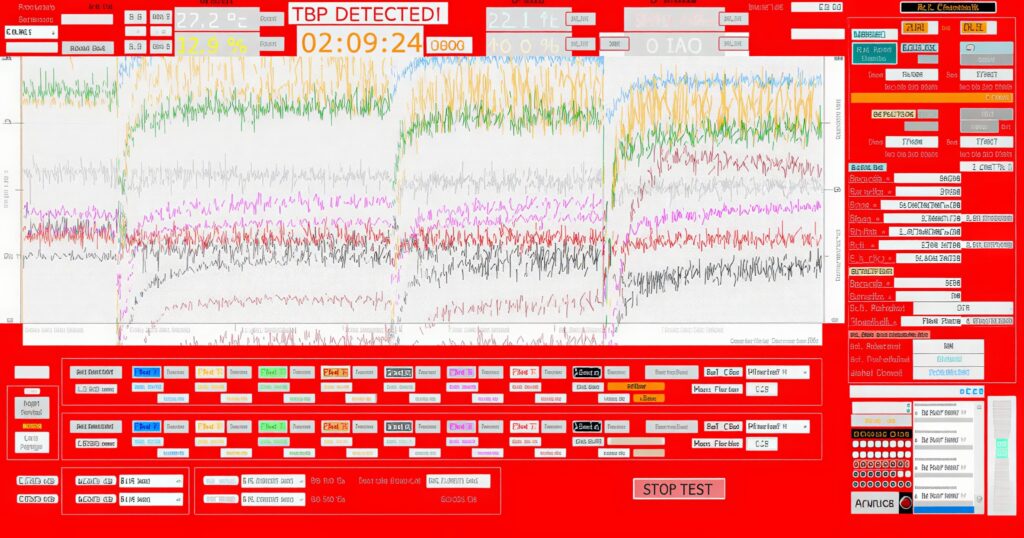
INDEPENDENT TESTING | REAL-TIME TBP DETECTION

CONTROLLED TBP TESTING | INDEPENDENT NPL CONFIGURATION

Real-time sensor response during controlled TBP testing

What The Test Established

  • All eight sensing channels responded following introduction of TBP.
  • Responses were observed across repeated fresh introductions.
  • Control conditions showed no corresponding sensor response.
  • Independently collected exposed samples were subsequently analysed by NPL, confirming the presence of TBP.

What the test established

What the test did not established

SELECTED AVIATION TARGETS

A Focused development programme

01

CabinSense is being developed around selected molecular targets relevant to aviation environments.

02

Controlled testing has demonstrated a repeatable real-time response to TBP, with independently collected exposed samples subsequently analysed by NPL confirming the presence of TBP.

03

Other aviation-relevant targets remain part of the development programme and will require systematic characterisation using the current NanoSense sensing architecture and methodology.
The objective is not to detect everything. It is to configure the sensing system around selected molecular information that is useful to the application.
FROM EVENT TO ENGINEERING EVIDENCE

Maintenance teams can only investigate the evidence available to them.

EVENT

MOLECULAR RECORD

ENGINEERING INVESTIGATION

MAINTENANCE INTERVENTION

SUBSEQUENT VERIFICATION

Is the selected relevant molecular target still detected?

The result would provide an additional objective input to the engineering process.

It would not itself determine aircraft airworthiness or return to service.

A Focused development programme

LABORATORY TESTING

REPRESENTATIVE ENVIRONMENT

PROTOTYPE DEVELOPMENT

INDEPENDENT ANALYTICAL

BUILD THE NEXT EVIDENCE WITH US

Where could you take NanoSense?

NanoSense is seeking aviation, MRO, analytical and systems partners to undertake systematic sensor characterisation and representative operational evaluation.

Can molecular information captured during or around a cabin-air event reduce uncertainty in the engineering investigation that follows?